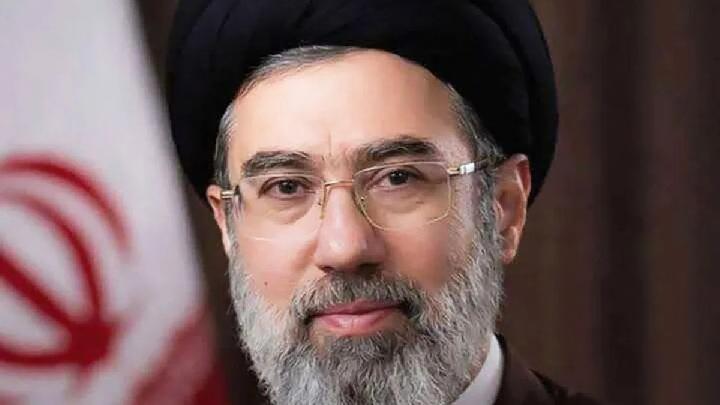
Since being appointed Iran’s supreme leader, Mojtaba Khamenei has vanished from public view. No speech, no press conference, no verified image of the man now holding the highest office in one of the world’s most closely watched nations. As the days pass, the mystery surrounding his whereabouts deepens and so do the questions about where real authority in Iran currently lies.
The Iranian public received their first glimpse into his position through a written statement read by an anchor on state television several days after his appointment. When a significant religious occasion arrived that would traditionally call for a public appearance by the supreme leader, Mojtaba was nowhere to be seen. Nearly a week into his leadership, he remains an entirely invisible figure.
What Happened on the First Day of the War
People briefed on the matter say Mojtaba sustained several injuries during the initial round of airstrikes carried out by American and Israeli forces, the same assault that took the life of his father and eliminated much of Iran’s senior military command. The reported injuries include a broken foot, bruising around one eye, and superficial cuts across his face.
A close associate of Iran’s president publicly confirmed that the new leader had been hurt but stressed that he was secure and recovering steadily. On the American side, the Defense Secretary suggested the new leader had likely suffered disfiguring injuries, though no verification was provided to support that claim. Adding to the tension, Israeli officials have previously indicated that Iran’s new leadership would not be immune from future targeting.
Two Very Different Reactions to His Disappearance
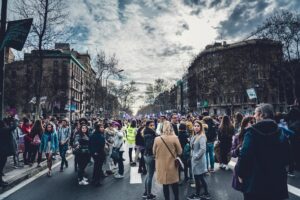
Inside Iran, regime supporters have not let his absence shake their resolve. Large crowds have gathered across the country to publicly declare their loyalty to the new leader, with religious figures at state-backed institutions actively encouraging demonstrations of devotion during the final stretch of the holy month of Ramadan. One well-known cleric reframed Mojtaba’s lifelong obscurity as a spiritual quality, arguing that never having sought the spotlight was itself a sign of superior character.
Outside loyalist circles, the response has been far sharper. Satirical images portraying Mojtaba as a cardboard figure propped up in the seat of government spread rapidly across social media platforms. With almost no real footage available, government-aligned channels began distributing computer-generated videos showing the new leader addressing crowds and appearing alongside his father at historic moments, fabricated scenes that never took place. Iranians living in Tehran began referring to him mockingly as the AI supreme leader, a label that captured the absurdity of a government promoting an artificially constructed image of its own head of state.
The Institutions That Actually Hold the Power
Political analysts who focus on Iranian affairs argue that the regime’s ability to function does not depend on the supreme leader being visible or even active in a direct sense. The Islamic Revolutionary Guard Corps, the powerful security and military organization that has long operated as the backbone of the Islamic Republic, is understood to be driving wartime decision-making on the ground. Mojtaba’s appointment provides the formal legitimacy that gives these institutions the authority to act, even if he himself remains out of sight.
Scholars of Iranian history note that Mojtaba’s identity as the son of a leader killed during the conflict carries powerful symbolic weight within the religious and political culture of the Islamic Republic, drawing comparisons to revered figures from Shia tradition.
The real test of his leadership will not come during wartime, when existing institutions can carry the load. It will come when the fighting stops and the question of genuine personal authority can no longer be deferred.