
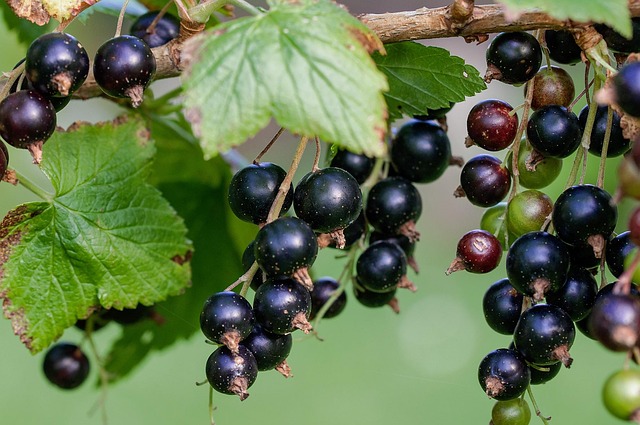
A tiny berry with deep European roots is set to make a bold entrance onto American plates. Black currant, long associated with European and Central Asian cuisine, has been named McCormick’s 2026 Flavor of the Year—a designation that signals what tastes and ingredients may soon dominate US kitchens and restaurant menus.
McCormick releases an annual flavor forecast to highlight emerging culinary movements and guide its own product innovation. The company uses these insights to anticipate what consumers will gravitate toward, helping to shape future spice blends, sauces, and seasonings.
But this year’s choice carries a broader message. Black currant’s rise reflects how many Americans, facing high food prices and a challenging economy, are seeking small indulgences—often through at-home cooking rather than dining out. The berry’s bold tartness and rich purple hue offer a feeling of luxury in simple meals, making it well-suited for a time when people want comfort without overspending.
A Strategic Move for a Historic Spice Brand
Flavor forecasting does more than showcase trends—it helps McCormick remain competitive. With a 136-year legacy and iconic brands like Old Bay, Frank’s RedHot, and French’s in its portfolio, the company faces mounting competition from both boutique spice startups and inexpensive private-label alternatives. Highlighting a distinctive ingredient keeps McCormick top-of-mind for consumers and can drive interest in related products.
Industry analyst Neil Saunders explains that these reports help reinforce McCormick’s relevance. While they won’t eliminate the pressure of private-label expansion, they strengthen visibility and remind shoppers of McCormick’s expertise in flavor development.
Although McCormick’s stock has dipped more than 15% this year, the company recently exceeded sales expectations thanks to increased home cooking. Still, it lowered its profit outlook amid higher commodity prices and tariff impacts.
Beyond naming the Flavor of the Year, McCormick’s forecast identifies broader shifts expected to shape menus in 2026. One major theme is sauce experimentation, which has rapidly spread across both fast-casual restaurants and home kitchens. Another is the rise of “attainable opulence,” the idea that consumers are embracing small, affordable luxuries as a way to escape economic stress.
Black currant fits perfectly into that narrative. McCormick’s executive chef Hadar Cohen Aviram describes the berry as naturally elegant, capable of transforming everyday dishes with its vivid color and complex taste. Its profile allows it to elevate desserts, beverages, sauces, and even savory entrées.
How McCormick Identified the Trend
To compile its yearly report, McCormick relies on a global network of culinary professionals, marketers, and food scientists—roughly 80 people in total—who monitor restaurants, markets, and emerging food cultures. They examine how ingredients appear around the world, and black currant stood out for its versatility and global momentum: in Europe, it has been featured in liqueurs; in Australia, it has shown up in vinegars; and in Singapore, it has even been used as a glaze for pork.
The berry is beginning to land on US menus as well, especially in mocktails, cocktails, and soft drinks where its sharp, fruity edge adds depth. Data from Datassential shows black currant is currently present on only 1% of American menus, but its mentions have climbed 34% in the past year—driven in large part by the surging popularity of non-alcoholic beverages.
Aviram believes the berry’s potential extends beyond drinks. She sees opportunities in baking and in complementing meats like pork and duck, thanks to its balance of sweetness and acidity.
The forecast’s aim is not just to predict trends but to inspire them. Now in its 26th year, McCormick’s report offers ideas for chefs, manufacturers, and home cooks alike—encouraging them to embrace new ingredients and discover fresh possibilities in everyday meals.