
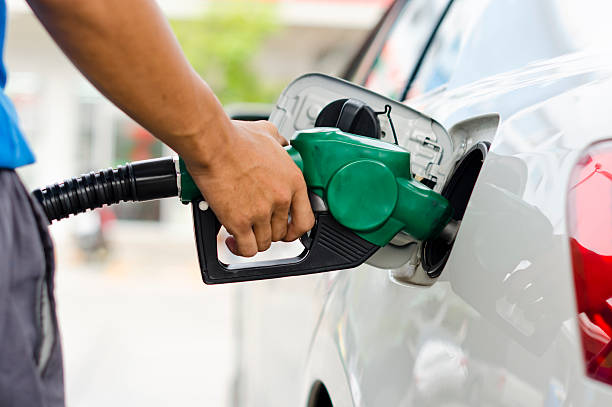
Motorists across the United States are poised to experience significant savings at fuel pumps this year, with forecasts predicting the lowest annual gasoline costs since the pandemic began, despite recent geopolitical developments in Venezuela.
According to projections from fuel savings platform GasBuddy, national gasoline prices will average approximately $2.97 per gallon throughout 2026. This milestone would mark the fourth consecutive year of declining pump prices and represent the first time since 2020 that annual averages fall beneath the $3 threshold.
Dramatic Reversal from Inflation Crisis
The anticipated price relief stands in stark contrast to conditions experienced in 2022, when fuel stations became epicenters of the inflation emergency. Following Russia’s Ukraine invasion, crude oil costs surged dramatically, pushing gasoline prices above $5 per gallon for the first time in American history. During that period, national inflation rates exceeded 9%, creating widespread economic anxiety.
“Now things are looking pretty good. We’re finally out of the woods with the market rebalancing after Covid,” explained Patrick De Haan, GasBuddy’s head of petroleum analysis.
Venezuela Situation Unlikely to Impact Forecast
GasBuddy developed these projections before recent United States military intervention in Venezuela and the capture of President Nicolas Maduro. However, analysts maintain that Venezuelan developments won’t significantly alter price expectations because reconstructing the nation’s deteriorated energy infrastructure will require substantial time.
“In the short term, we see little disruption or shift as a result of the events over the last few days,” De Haan noted Sunday. Oil futures markets demonstrated minimal movement following weekend trading resumption after the Venezuelan intervention, supporting this assessment.
Regional Price Variations and Consumer Savings
The optimistic forecast provides meaningful counterbalance to affordability concerns that have dampened consumer confidence and affected political polling numbers, even as other costs—including certain groceries, electricity, and home heating—continue rising.
American consumers are projected to spend $11 billion less on gasoline compared to 2025 expenditures. Average household fuel spending should reach approximately $2,083 annually, down substantially from $2,716 in 2022.
Ten states are expected to maintain yearly average prices below $2.75 per gallon: Alabama, Arkansas, Kansas, Louisiana, Mississippi, Missouri, Oklahoma, South Carolina, Tennessee, and Texas.
Monthly price peaks should reach just $3.12 per gallon in May when stations transition to costlier summer fuel formulations and seasonal demand increases. By year’s end, prices are anticipated to decline further to $2.83 per gallon averages.
Market Dynamics Driving Decrease
Gasoline already provided inflation relief during 2025, with annual averages dropping to $3.10 per gallon. This downward trajectory reflects globally depressed crude oil prices.
Oil values declined 20% throughout 2025, representing the steepest annual decrease since 2020. Crude prices have fallen four consecutive quarters—the longest quarterly decline streak since late 2001, according to FactSet data.
The Energy Information Administration projects United States oil prices will average just $51 per barrel in 2026, down from $65 in 2025 and $77 in 2024.
De Haan emphasized that relatively affordable oil and gasoline don’t signal economic weakness because fuel demand remains robust. “Prices aren’t being driven by a lack of demand but by an increase in supply across the board,” he stated.
Supply expansion stems largely from Saudi Arabia-led OPEC significantly increasing output during 2025 under administration pressure. Domestic United States production remains strong, though “drill, baby, drill” initiatives haven’t yet generated promised dramatic growth.
American oil production reached 13.83 million barrels daily during the week ending December 26, according to preliminary EIA estimates—approaching the all-time high of 13.86 million from early November.
Potential Market Disruptions
However, declining prices are causing some domestic producers to scale back drilling operations. Federal data projects United States oil production may decrease by 100,000 barrels daily to 13.5 million barrel averages in 2026.
Several wildcards could disrupt cheap fuel forecasts. Venezuelan military actions might trigger broader regional instability. The ongoing Russia-Ukraine conflict continues exposing Russian energy infrastructure to drone attacks. Iranian officials recently warned that Middle Eastern American troops could face targeting if Washington interferes with domestic Iranian protests.
Another risk involves OPEC reversing its production increase strategy and instead cutting output to combat depressed prices.
Currently, however, gasoline remains positioned as a rare bright spot amid persistent affordability challenges.