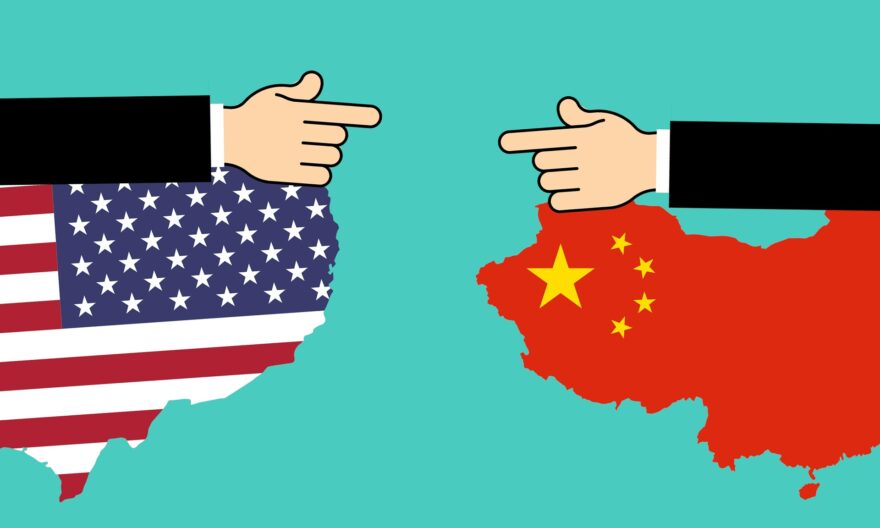
The competition between the United States and China to dominate artificial intelligence is becoming one of the defining economic and geopolitical rivalries of the decade.
Both countries recognize that AI could transform industries, strengthen military capabilities, improve productivity and influence future economic growth. As a result, access to advanced chips, computing infrastructure and AI research has become increasingly important.
The recent meeting between Donald Trump and Xi Jinping in Shenzhen highlighted how technology competition continues to influence diplomatic discussions, even when both governments express interest in cooperation.
Advanced Chips Have Become Strategic Assets
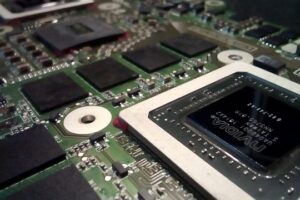
Semiconductors are essential to modern technology, powering smartphones, computers, data centers, electric vehicles and artificial intelligence systems.
The most advanced AI models require enormous computing capacity, which depends heavily on powerful chips. Companies developing AI products therefore need access to increasingly sophisticated semiconductor technology.
The United States has used export restrictions to limit China’s access to certain advanced chips and related technologies. These measures are designed to protect national security and restrict the development of technologies that could have military applications.
However, the restrictions have also encouraged China to invest more aggressively in domestic chip manufacturing and alternatives to American technology.
China Is Building Its Own Technology Ecosystem
China has made AI and semiconductor independence major economic priorities. Its technology companies and government-backed initiatives are investing in research, manufacturing capabilities and domestic alternatives to foreign hardware.
Reducing dependence on imported chips could help China protect its technology sector against future restrictions.
At the same time, developing advanced semiconductor manufacturing capabilities is extremely difficult. The industry requires specialized equipment, highly skilled workers, substantial investment and complex international supply chains.
According to an Associated Press report on the APEC summit, the competition over AI technology and advanced chips remained a significant issue during discussions involving regional economic leaders.
Technology Restrictions Could Affect Global Businesses
The US-China technology rivalry is not limited to companies operating in either country. Businesses around the world depend on international supply chains for semiconductors, electronic components, software and manufacturing equipment.
New export restrictions, tariffs or retaliatory measures could create uncertainty for manufacturers and technology companies.
Businesses may need to reconsider where they manufacture products, which suppliers they rely on and whether their technology complies with changing regulations.
This could lead companies to diversify supply chains, invest in alternative manufacturing locations or develop products that depend less heavily on restricted technologies.
AI Safety Could Become a Shared Interest
Although competition remains intense, artificial intelligence also presents challenges that require international communication.
Cybersecurity threats, AI-generated misinformation, autonomous systems and the misuse of powerful models could affect countries regardless of where the technology is developed.
During discussions surrounding the APEC summit, US and Chinese officials explored potential cooperation on AI safety and communication mechanisms for serious AI-related incidents.
A Reuters report described efforts to discuss AI safeguards, testing practices and protocols for communicating about potential AI-related emergencies.
Such cooperation could help reduce risks even if the countries continue competing economically and technologically.
What Comes Next?
The future of the AI race will depend on several factors, including semiconductor manufacturing, research investment, access to computing resources, international trade policies and the ability of companies to develop competitive AI systems.
The United States and China are likely to continue pursuing technological advantages while maintaining some diplomatic channels to manage disagreements.
Other countries may also benefit from the rivalry by attracting manufacturing investment, developing AI research centers and strengthening their own technology industries.
Final Thoughts
The US-China AI race is reshaping more than the technology sector. It is influencing trade policies, investment decisions, supply chains and international relationships.
Advanced semiconductors have become strategic assets, while AI safety provides a potential area for cooperation between competing powers.
The challenge for both countries will be managing their rivalry without allowing technology competition to create unnecessary economic disruption or wider international instability.