
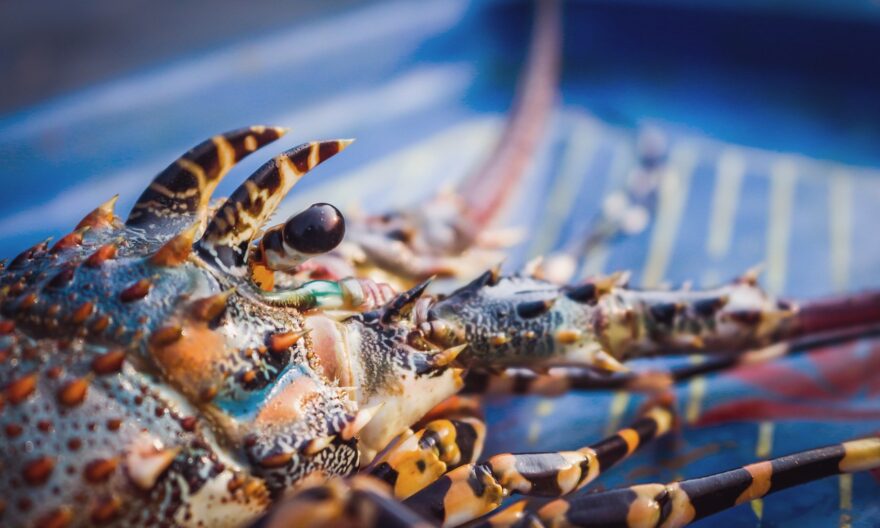
Italy’s coastal fishing communities are facing an unexpected challenge as invasive Atlantic blue crabs continue to spread through the country’s northern lagoons. The rapidly growing population has disrupted shellfish farming, placing additional pressure on an industry that supports thousands of jobs and contributes significantly to local economies.
Marine researchers say the species has adapted successfully to parts of the Adriatic Sea, where favorable environmental conditions have allowed its numbers to increase quickly. As the crabs continue expanding their range, clam farmers are reporting declining harvests and rising production costs.
Growing Threat to Shellfish Production
The Atlantic blue crab is known for its aggressive feeding habits and ability to thrive in a variety of coastal environments. One of its preferred food sources is juvenile shellfish, making clam farms especially vulnerable.
Northern Italy is one of Europe’s leading producers of Manila clams, and many local businesses rely heavily on successful shellfish harvests. However, increasing crab populations have reduced the number of young clams surviving to maturity, affecting production levels and creating financial uncertainty for producers.
Industry representatives say the economic impact extends beyond farmers, influencing seafood suppliers, processors, restaurants, and export businesses connected to the shellfish sector.
Coastal Communities Seek Practical Solutions
Rather than waiting for the problem to disappear, many fishing communities are adapting to changing conditions. Some fishermen have shifted part of their operations toward harvesting blue crabs, transforming an environmental challenge into a possible commercial opportunity.
Seafood companies are also exploring new domestic and international markets where blue crab is already considered a valuable food product. Expanding consumer awareness and improving processing capacity could help generate new income while reducing crab populations.
Researchers continue evaluating sustainable management strategies that balance commercial harvesting with environmental protection.
Environmental Changes Support the Spread
Scientists believe rising sea temperatures, changing marine ecosystems, and increased international shipping have contributed to the establishment of invasive marine species across the Mediterranean.
Warmer coastal waters create favorable breeding conditions for blue crabs, allowing populations to expand more rapidly than in previous decades. Similar ecological changes are being observed in other parts of the world, where invasive aquatic species are affecting native wildlife and commercial fisheries.
Experts stress that continued environmental monitoring will be essential for understanding future population trends.
Collaboration Becomes Increasingly Important
Government agencies, marine scientists, fishing cooperatives, and environmental organizations are working together to address the growing challenge. Research programs are examining improved farming techniques, protective barriers, and targeted harvesting methods designed to reduce losses without damaging surrounding ecosystems.
Financial support and technical assistance may also help shellfish producers recover while adapting their businesses to changing environmental conditions.
Although eliminating the invasive species entirely is unlikely, coordinated management efforts could reduce long-term economic damage.
Looking Ahead
The spread of blue crabs demonstrates how environmental change can reshape traditional industries and coastal ecosystems. Italy’s fishing communities are responding by combining scientific research, innovation, and practical experience to protect one of the country’s most valuable seafood sectors.
While challenges remain, ongoing investment in sustainable aquaculture, stronger environmental monitoring, and diversified seafood markets may help strengthen the industry’s resilience. As marine ecosystems continue evolving, adapting to new realities will become increasingly important for both conservation efforts and the long-term success of coastal economies.