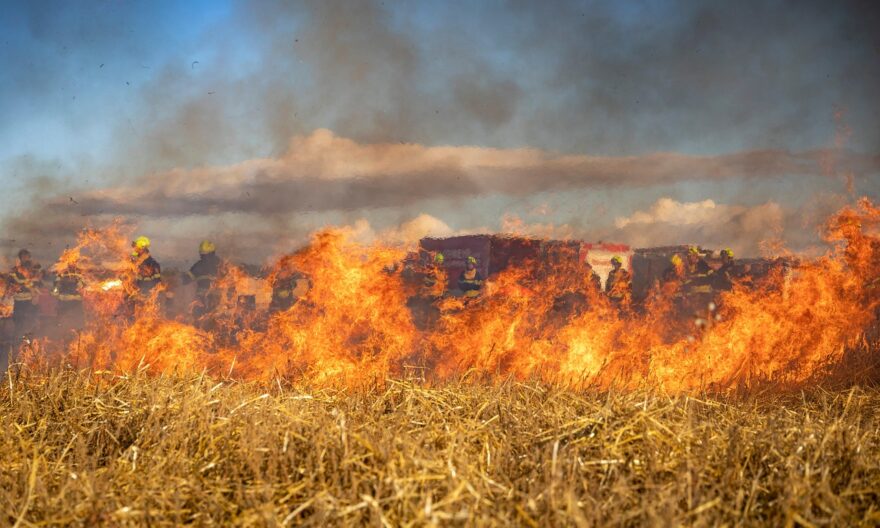
Wildfire smoke has become an increasingly common air quality concern in many parts of the world, especially during warmer months. As wildfires grow in frequency and intensity, health experts are encouraging people to take steps to reduce their exposure to smoke and protect their respiratory health.
Smoke from wildfires contains a mixture of tiny particles and gases that can travel long distances. Even if a fire is far away, changing wind conditions can carry polluted air into nearby cities and communities. While anyone can be affected, children, older adults, pregnant women, and people with asthma, heart disease, or other chronic conditions face a higher risk of developing health complications.
Why Wildfire Smoke Is Harmful
Wildfire smoke contains fine particulate matter, often referred to as PM2.5, which is small enough to enter the lungs and even the bloodstream. Exposure can irritate the eyes, nose, and throat while also causing coughing, wheezing, shortness of breath, and chest discomfort.
People with existing respiratory illnesses may notice worsening symptoms, while prolonged exposure can place additional stress on the cardiovascular system. Health experts recommend paying close attention to local air quality reports during wildfire season, even if smoke is not easily visible.
Steps to Improve Indoor Air Quality
One of the best ways to reduce smoke exposure is to stay indoors when air quality levels are poor. Keeping windows and doors closed helps prevent outdoor smoke from entering the home.
If available, using an air purifier equipped with a HEPA filter can help remove fine particles from indoor air. Heating and cooling systems should also use clean, high-quality filters that are replaced according to the manufacturer’s recommendations.
Experts advise avoiding activities that create additional indoor pollution, such as burning candles, smoking, or using wood-burning fireplaces while outdoor smoke levels remain high.
Choosing the Right Face Mask
If it is necessary to spend time outdoors during smoky conditions, a properly fitted respirator such as an N95 or similar certified mask offers better protection against fine smoke particles than ordinary cloth or surgical masks.
Health professionals note that face coverings designed primarily for infection control may not effectively filter the smallest particles found in wildfire smoke. A mask should fit securely over the nose and mouth without large gaps to provide the greatest benefit.
Individuals with breathing difficulties or certain medical conditions should consult a healthcare professional before using tight-fitting respirators.
Staying Safe During Wildfire Season
Checking daily air quality forecasts can help people plan outdoor activities when pollution levels are lower. During periods of unhealthy air, reducing strenuous exercise outdoors can also decrease the amount of smoke inhaled.
Families should prepare emergency supplies, including medications, replacement air filters, and certified respirator masks before wildfire season begins. Those caring for older adults, young children, or people with chronic illnesses should have a plan in place if smoke conditions worsen.
Although wildfires cannot always be predicted, taking simple precautions can greatly reduce exposure to harmful smoke. By monitoring air quality, improving indoor ventilation, using appropriate protective equipment when needed, and following public health guidance, individuals can better protect themselves and their families during periods of poor air quality.