
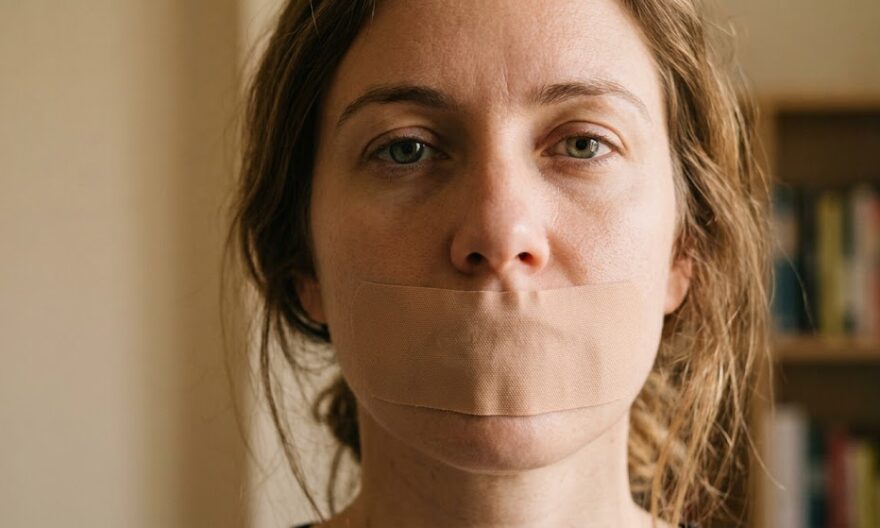
Mouth taping has become one of the more unusual trends in the growing “sleep optimization” movement. The idea is simple: place a small piece of tape across your lips before bed and encourage your body to breathe through the nose overnight.
People online have claimed that the technique can reduce snoring, prevent dry mouth and improve sleep. However, medical experts say there is not enough strong evidence to support many of these claims, and the practice can create problems for some people.
Why People Are Trying It
Mouth breathing during sleep can leave people with a dry mouth or throat and may contribute to snoring.
Because nasal breathing naturally filters and humidifies air, some wellness enthusiasts believe encouraging it during sleep could lead to better rest.
That is where mouth taping at night comes in. The tape is designed to gently keep the lips together so that the person is more likely to breathe through the nose.
The theory sounds straightforward, but the evidence is much less certain.
What Research Actually Shows
Studies on mouth taping remain relatively small.
Some research involving people with mild obstructive sleep apnea who habitually breathe through their mouths has found that keeping the mouth closed may improve certain breathing measurements. A 2026 systematic review, however, found that only two studies were available specifically for mouth taping and said the differences between studies limit how broadly the findings can be applied.
That means the existing evidence cannot establish mouth taping as a general treatment for poor sleep.
It Is Not a Treatment for Sleep Apnea
A major misconception is that mouth tape can solve sleep apnea.
Sleep apnea occurs when breathing repeatedly becomes restricted or stops during sleep. Snoring can be one warning sign, but the condition requires proper evaluation and treatment.
Experts caution that people should not use mouth tape as a substitute for medical care. Someone with an obstructed nose or an underlying breathing problem may have more difficulty if their mouth is also sealed.
Possible Side Effects
Even when there is no underlying sleep disorder, the practice can cause unwanted effects.
Some people may experience irritation around the lips, discomfort, difficulty breathing or disrupted sleep. Adhesives can also cause skin reactions.
Another concern is what happens if the nose becomes blocked during the night. A person who normally switches between nasal and mouth breathing could find it harder to compensate when the mouth is covered.
For these reasons, experts generally advise against treating the practice as a harmless solution for everyone.
Find Out Why You Breathe Through Your Mouth
Persistent mouth breathing may have an underlying cause.
Allergies and nasal congestion can interfere with normal nasal breathing. Structural issues affecting the nasal passages can also contribute. In other cases, frequent snoring and mouth breathing may point toward sleep-disordered breathing.
Addressing the cause can be more useful than simply trying to prevent the mouth from opening.
Other Ways to Improve Sleep
People looking for better sleep can start with established habits such as keeping a regular sleep schedule, maintaining a comfortable and dark bedroom and limiting factors that interfere with sleep.
For people who snore frequently, wake up gasping or remain tired despite getting enough time in bed, talking with a healthcare professional is more appropriate than experimenting with mouth tape.
Is Mouth Taping Worth Trying?
The growing popularity of mouth taping at night does not necessarily mean the technique is backed by strong evidence.
Nasal breathing itself has legitimate physiological benefits, but there is still limited research showing that sealing the mouth during sleep safely produces the broader benefits promoted online.
For some carefully selected people, studies suggest it may influence snoring or certain breathing measurements. For everyone else, particularly those with breathing difficulties or possible sleep apnea, finding the underlying problem should come first.