
The global artificial intelligence race is creating new challenges for governments trying to protect sensitive technology. The investigation into Megaspeed International, a Singapore-based data center company linked to Nvidia’s chip supply chain, has highlighted how international business networks can complicate technology security.
The controversy is not just about one company. It reflects the growing difficulty of monitoring advanced processors as they move through distributors, data centers, cloud providers and international customers.
Why AI Chips Have Become Strategic Assets
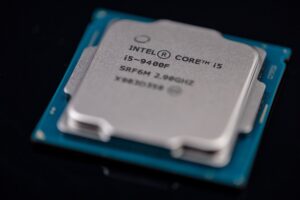
Advanced AI chips are essential for training large language models, developing autonomous systems and powering sophisticated computing applications.
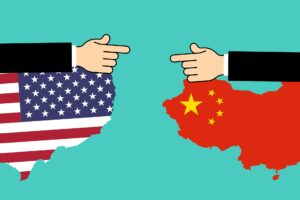
The United States has imposed restrictions on certain semiconductor exports to China because of concerns about military applications and technological competition. These controls have also become a central part of the broader economic and geopolitical relationship between the two countries.
However, the demand for high-performance processors remains strong, creating incentives for companies to find alternative ways of obtaining computing resources.
The Role of Overseas Data Centers
One of the challenges facing regulators is the difference between buying physical chips and accessing their computing power remotely.
Companies can operate data centers in countries where chip purchases are permitted and offer computing services to customers elsewhere. This arrangement can make it difficult for regulators to determine who ultimately benefits from restricted technology.
The Megaspeed controversy has drawn attention to this issue, particularly the possibility that overseas computing infrastructure could provide access to advanced chips for customers who face restrictions on direct purchases.
Authorities are increasingly examining cloud services, customer verification and the final destinations of technology shipments.
Stronger Controls Could Reshape the Industry
The investigation has encouraged calls for more effective monitoring of semiconductor supply chains.
Possible measures include stricter licensing requirements, improved chip-location verification, stronger customer screening and greater cooperation between governments.
These measures could increase compliance costs for cloud providers and semiconductor companies. They may also affect businesses operating in Southeast Asia, where international technology investment has grown rapidly.
The challenge for policymakers is to strengthen national security without unnecessarily restricting legitimate international technology trade.
Final Thoughts
The Megaspeed case demonstrates that controlling advanced AI technology requires more than restricting direct exports. Governments must also consider cloud computing, intermediary companies and international data center operations.
As the AI industry expands, supply chain transparency and responsible technology management are likely to become increasingly important for businesses and governments alike.