U.S. health authorities have informed executives at Merck, Sanofi, and AstraZeneca that their infant RSV therapies will undergo renewed safety scrutiny. The decision comes amid heightened attention from U.S. Health Secretary Robert F. Kennedy Jr., who has long questioned childhood immunizations and raised concerns about the safety of various pharmaceutical products.
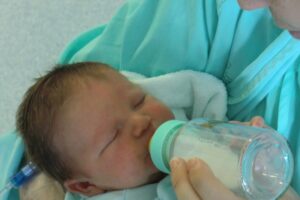
The therapies in question—Beyfortus from Sanofi and AstraZeneca, and Enflonsia from Merck—provide infants with pre-formed antibodies to protect against RSV, a respiratory virus that can cause severe illness in the first months of life. Unlike traditional vaccines, these treatments do not trigger the infant’s immune system to produce its own antibodies. They are part of the CDC’s recommended immunization schedule and aim to prevent hospitalizations, especially for high-risk babies.
FDA Inquiry and Industry Response
According to sources familiar with the situation, FDA staff appointed under Kennedy began investigating the therapies during the summer. Senior FDA adviser Tracy Beth Hoeg raised safety questions about the products as early as June. Internal documents indicate that George Tidmarsh, former head of the FDA division overseeing RSV treatments, asked staff to re-examine Enflonsia data in late August. Beyfortus has been available in the U.S. market since July 2023.
Last week, the FDA’s Center for Drug Evaluation and Research (CDER) held a brief call with the three companies, signaling that further safety data may be requested. It remains unclear whether the FDA will adjust labeling or limit access to these treatments. Andrew Nixon, a Health and Human Services spokesperson, emphasized that the agency routinely reviews emerging safety information and bases decisions on evidence.
In response, Sanofi highlighted that Beyfortus has been studied in over 50 trials involving more than 400,000 infants. Merck confirmed the FDA discussion and expressed confidence in Enflonsia’s safety, reaffirming its commitment to ongoing scientific review with regulators.
Effectiveness and Expert Debate
RSV affects roughly two to three out of every 100 infants under six months annually, sometimes causing severe respiratory issues or pneumonia. Real-world data show that Beyfortus and maternal RSV vaccines reduced infant hospitalizations by up to 43% during the 2024–25 season compared with pre-pandemic periods. Beyfortus generated over $2.6 billion in global sales in 2024, while Enflonsia is projected to reach $250 million in revenue next year.
Some critics, including journalist Maryanne Demasi, have suggested that RSV therapies could raise seizure risks. However, multiple studies have found no evidence supporting these claims. Infectious disease experts, including Stanford physician Jake Scott, argue that separating data by age group is essential, as newborns and older infants receive different vaccine schedules.
Dr. Robert Malone, a Kennedy-appointed vaccine advisory board member, recently questioned his prior recommendation for widespread Enflonsia use, reflecting ongoing debates about risk assessment. Hoeg also cited data from four late-stage clinical trials indicating a potential mortality imbalance, though findings were not statistically significant and could have occurred by chance.
The FDA’s renewed review highlights the balance between ensuring safety and maintaining access to therapies that protect vulnerable infants. Health authorities continue to stress that these RSV treatments remain a critical tool in preventing severe illness during the first year of life.