
The latest UN climate report warns that the world is approaching a critical point in the fight against global warming. With current climate commitments falling far short of what scientists say is necessary, the planet is expected to exceed the 1.5°C warming threshold established under the Paris Agreement. However, the report says stronger action could still limit the temperature increase and eventually bring global warming back toward that level.
Released by the United Nations Environment Programme (UNEP) on October 21, 2026, the Emissions Gap Report 2026 outlines the reductions needed to minimize the period and severity of warming beyond the internationally agreed target. Its findings come ahead of the COP31 climate summit in Türkiye.
The World Is Approaching a Climate Milestone
The 1.5°C threshold refers to the rise in global average temperatures compared with pre-industrial levels. Crossing it increases the risks associated with extreme heat, floods, wildfires, rising seas and damage to ecosystems.
The report describes exceeding this threshold as increasingly unavoidable. Instead of assuming the world can prevent all overshoot, researchers examine how to limit the temperature peak and return to 1.5°C by 2100.
Under the lowest-overshoot scenario, global temperatures would peak at approximately 1.7°C to 1.8°C around the middle of the century before declining. Achieving this outcome would require major changes in energy production, transportation and other sources of greenhouse gas emissions.
Emissions Must Fall Much Faster
The report sets out ambitious targets for reducing global greenhouse gas emissions compared with 2025 levels. Emissions would need to fall by 18% by 2030, 45% by 2035 and 69% by 2040 to follow the lowest-overshoot pathway.
Current national climate pledges are considerably weaker. Even if countries fully deliver their existing commitments, emissions would decline by only 5% to 8% by 2030 and 11% to 15% by 2035.
If current policies continue, warming could reach approximately 2.8°C during this century. Delivering existing national pledges would lower that projection to around 2.6°C, still well above the Paris Agreement’s preferred limit.
Renewable Energy Offers a Path Forward
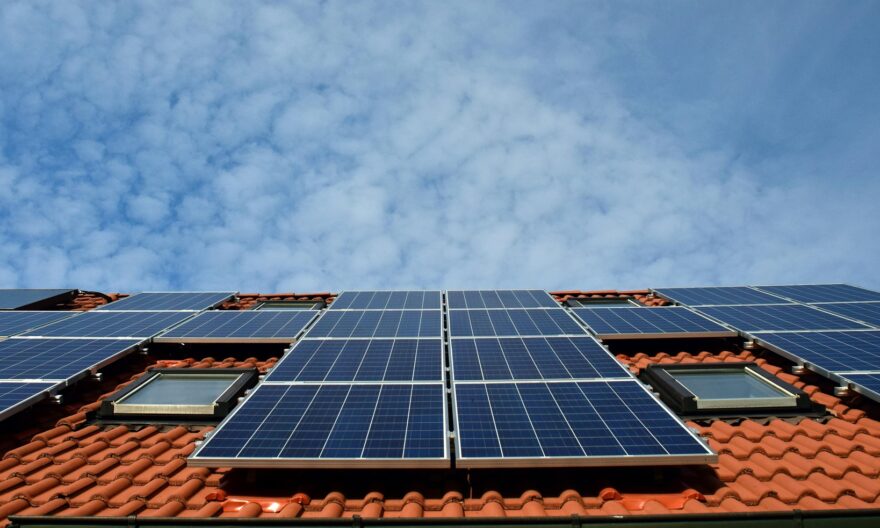
Despite the concerning outlook, the report highlights progress in renewable energy and climate policies. Solar and wind power have expanded, while some government measures have helped reduce emissions across different industries.
UNEP argues that successful policies need to be introduced more widely and maintained over time. Expanding clean electricity, improving energy efficiency, reducing methane emissions and slowing deforestation could all contribute to the necessary reductions.
However, moving away from fossil fuels remains a major challenge. Governments must turn broad climate promises into practical measures that reduce dependence on coal, oil and gas.
COP31 Faces Growing Pressure
The upcoming COP31 summit will give governments another opportunity to strengthen climate commitments and agree on practical steps. The UN report calls for clearer targets beyond 2030 and faster implementation of existing agreements.
Returning temperatures to 1.5°C would also require large-scale carbon dioxide removal later this century, a process that still faces significant technological and practical uncertainties.
Why Immediate Action Matters
The report delivers a serious warning, but it does not suggest that further climate action is pointless. Every reduction in emissions can help limit future warming and reduce the risks faced by communities worldwide.
The central challenge is whether governments can move quickly enough to close the gap between their commitments and the reductions required. Decisions made in the coming years will influence how severe and prolonged the overshoot becomes.