Philadelphia Eagles quarterback Jalen Hurts is expected to miss the remainder of the 2026 NFL season after doctors discovered blood clots in both lungs. The diagnosis followed an earlier finding of a blood clot in his left calf, prompting further medical examinations and treatment.
The team and Hurts’ agent confirmed that he has deep vein thrombosis (DVT) and bilateral pulmonary emboli, a condition involving blood clots that block arteries in both lungs. Although the diagnosis is serious, the team reported that Hurts is clinically stable and has a good prognosis.
The Jalen Hurts blood clots diagnosis has also drawn attention to a medical condition that can affect people of different ages and activity levels.
How Blood Clots Can Develop
Blood clots form when blood changes from a liquid into a thicker mass, helping stop bleeding after an injury. However, a clot can become dangerous when it develops inside a blood vessel and obstructs normal circulation.
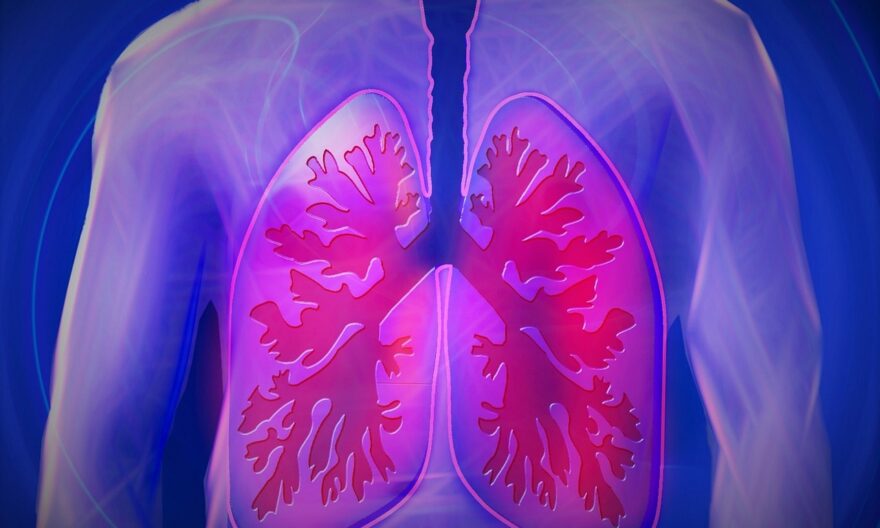
Deep vein thrombosis occurs when a clot forms in a deep vein, most commonly in the lower leg, thigh, or pelvis. If part of the clot breaks away and travels through the bloodstream to the lungs, it can cause a pulmonary embolism.
A pulmonary embolism can restrict blood flow through the lungs and place considerable strain on the heart. When clots affect both lungs, the condition may require urgent medical attention.
What May Have Contributed to Hurts’ Condition?
Hurts reportedly sustained a calf injury during a game against the Los Angeles Rams on October 4. He later sought medical attention before the Eagles traveled to London for their October 11 game against the Jacksonville Jaguars.
Medical specialists initially identified a superficial vein thrombosis in his left calf. Further testing and monitoring subsequently revealed deep vein thrombosis and blood clots in both lungs.
An injury can contribute to clot formation through inflammation and damage to blood vessels. Other risk factors include prolonged immobility, certain medical conditions, previous blood clots, and inherited clotting disorders.
However, the precise factors responsible for Hurts’ diagnosis have not been fully established publicly.
Recognizing the Warning Signs
Blood clots do not always produce obvious symptoms. When a clot develops in a leg, possible warning signs include swelling, tenderness, pain, redness, and warmth, particularly when these symptoms affect one leg.
A pulmonary embolism may cause sudden shortness of breath, chest pain that worsens with deep breathing, a rapid heartbeat, dizziness, or coughing up blood.
Anyone experiencing possible pulmonary embolism symptoms should seek emergency medical care rather than waiting for them to improve.
Treatment and Recovery
The Eagles and Hurts’ agent said his treatment would involve anticoagulants, commonly called blood thinners. These medications help prevent existing clots from growing and reduce the risk of additional clots forming while the body gradually breaks them down.
Treatment duration varies according to the circumstances and severity of the condition. Patients receiving blood thinners must also take precautions because these medications increase the risk of bleeding.
For professional football players, that creates an additional challenge. Contact sports can cause injuries that become particularly dangerous while someone is taking anticoagulants.
The Jalen Hurts blood clots diagnosis means he must avoid contact activities until his medical team determines that returning is safe.
The Eagles have expressed confidence in his recovery, although his return to football will depend on medical guidance and his progress during treatment.
His case highlights the importance of recognizing unusual symptoms, obtaining timely medical evaluations, and taking blood clot diagnoses seriously.