
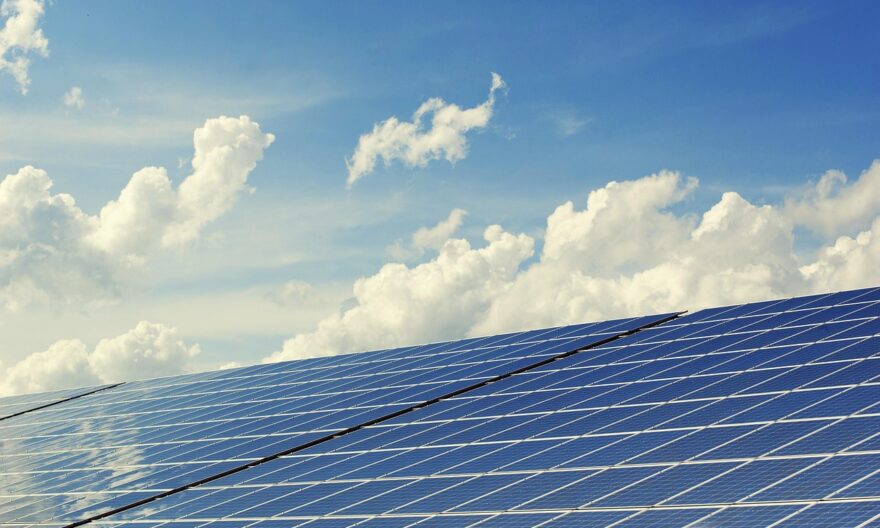
A new wave of small-scale solar technology is making it easier for renters to take part in the clean energy transition. In places like New Jersey, balcony solar systems are gaining attention as a simple and affordable way for apartment residents to generate their own electricity without needing a rooftop installation.
As energy costs continue to rise and concerns about climate change grow, these compact solar setups are becoming an attractive option for people who do not own homes but still want to reduce their utility bills and environmental impact.
How Balcony Solar Systems Work
Unlike traditional rooftop solar panels, balcony solar systems are designed for small spaces and can often be installed without major construction. These systems typically include lightweight panels that can be mounted on railings or placed in sunny areas of a balcony.
The electricity generated is used to power household appliances, reducing the amount of energy drawn from the main electrical grid. In some setups, excess energy can even be fed back into the system or stored for later use, depending on local regulations and equipment.
Because they are relatively easy to install, balcony solar systems are especially appealing to renters who cannot make permanent modifications to their buildings. This flexibility has helped drive interest in urban areas where apartment living is common.
Growing Interest Among Renters and Cities
In states like New Jersey, growing awareness of renewable energy options has led to increased curiosity about small-scale solar solutions. Renters, in particular, are looking for ways to lower electricity bills without committing to long-term property investments.
Local governments and energy advocates are also paying attention to this trend. Some policymakers see balcony solar as a step toward more inclusive clean energy access, allowing more people to benefit from renewable power regardless of home ownership status.
However, challenges still exist. Not all buildings are suitable for balcony solar installations, and regulations can vary depending on housing rules and utility policies. Additionally, energy output is generally lower than full rooftop systems, meaning it may not fully power an entire household.
A Step Toward More Accessible Clean Energy
Despite limitations, balcony solar systems represent an important shift in how renewable energy can be adopted in urban environments. By lowering the barrier to entry, they allow more people to participate in the transition to cleaner energy sources.
Experts believe that as technology improves, these systems could become more efficient and widely available. Combined with supportive policies and incentives, balcony solar could play a role in reducing overall energy demand and promoting sustainability in cities.
For many renters, the appeal is simple: lower bills, greater energy independence, and a chance to contribute to environmental protection without needing home ownership. As interest grows, balcony solar may become a common feature of modern apartment living.