
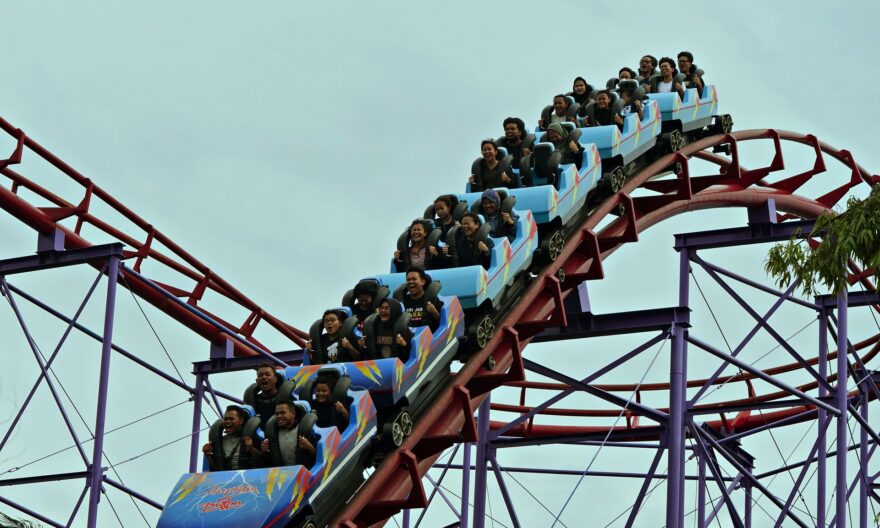
Roller coasters offer excitement through steep drops, rapid acceleration, sharp turns, and sudden changes in direction. Millions of people enjoy amusement park attractions every year, and serious injuries are uncommon. However, recent incidents involving severe injuries and fatalities have renewed questions about roller coaster safety and the potential effects of intense rides on the human body.
Understanding the risks can help visitors make informed decisions before boarding an attraction, particularly if they have existing health conditions.
How Roller Coasters Affect the Brain
Fast-moving rides expose passengers to gravitational forces and abrupt changes in movement. Although restraints are designed to keep riders secure, the head and brain can still experience sudden acceleration and deceleration.
The brain is surrounded by protective fluid inside the skull. Rapid movement can cause it to shift, potentially damaging blood vessels or surrounding tissue. In rare cases, this can result in a concussion or a subdural hematoma, which involves bleeding between the brain and its protective covering.
These injuries can be serious and may require emergency treatment. Roller coaster safety therefore involves more than checking seat restraints; riders should also consider how their bodies may respond to intense physical forces.
Neck Injuries and Other Physical Effects
Sudden twists and jerking movements can strain the muscles and ligaments supporting the neck. Some riders may experience stiffness, headaches, or discomfort similar to whiplash. Symptoms can appear immediately or develop several hours after a ride.
Dizziness, nausea, and motion sickness are more common and generally less serious. They occur when the brain receives conflicting signals from the eyes and the inner ear’s balance system.
A much rarer complication is cervical artery dissection, in which a tear develops in an artery supplying blood to the brain. This condition can lead to a stroke and requires urgent medical attention.
Who Should Be More Careful?
People with certain medical conditions may face greater risks on intense attractions. Those with significant neck or back problems, spinal instability, recent injuries, or recent surgery should consult a healthcare professional before riding.
People with unstable heart disease, serious heart rhythm disorders, or poorly controlled high blood pressure should follow medical advice and ride-specific health warnings. Individuals with a history of stroke, known brain aneurysms, or other serious neurological conditions may also need individualized guidance.
Pregnant visitors should avoid high-intensity rides, while parents should check height limits and ensure that children’s restraints fit properly.
Warning Signs That Require Medical Attention
A sudden, severe headache after a ride should never be dismissed. Other concerning symptoms include repeated vomiting, confusion, unusual drowsiness, vision changes, severe neck pain, or difficulty maintaining balance.
Sudden weakness on one side of the body, facial drooping, difficulty speaking, or loss of coordination can indicate a stroke. These symptoms require emergency medical care.
Good roller coaster safety also means recognizing that symptoms may develop after leaving the amusement park. Persistent or worsening headaches and neck pain warrant prompt medical evaluation.
Practical Precautions Before Boarding
Read posted health warnings and follow all height, weight, and restraint requirements. Avoid rides that conflict with medical advice, and do not assume that being physically fit eliminates every risk.
Visitors with underlying health conditions should discuss suitable attractions with their healthcare providers. Choosing a less intense ride is a reasonable alternative for anyone who feels uncomfortable.
Roller coasters remain a popular recreational activity, and severe injuries are rare. Still, understanding roller coaster safety, recognizing warning signs, and following ride restrictions can help people enjoy amusement parks more responsibly.