
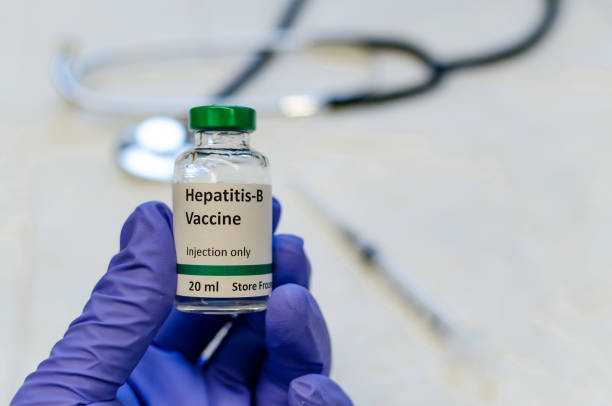
A new experimental treatment for hepatitis B is giving researchers hope that some patients may one day live without needing continuous medication. Early clinical studies show the therapy may help certain individuals suppress the virus long-term, creating what experts call a “functional cure.”
Hepatitis B is a serious liver infection that affects millions of people globally and can lead to liver damage, liver failure, or cancer if left untreated. Although existing medications help control the disease, patients usually need lifelong treatment because the virus can remain hidden in the body and return once therapy ends.
Scientists now believe a new drug known as bepirovirsen could become an important breakthrough in hepatitis B care.
New Drug Targets the Virus in a Different Way
Unlike traditional hepatitis B treatments that mainly slow viral activity, bepirovirsen works by directly targeting the virus’s genetic material. Researchers say the drug also lowers important viral proteins that help the infection survive and may support the body’s immune response against the disease.
The treatment was tested in large international clinical trials involving more than 1,800 patients living with chronic hepatitis B. Participants continued taking their regular antiviral medications while also receiving weekly injections of the experimental therapy for several months.
Results from the studies showed that around 20% of patients receiving the drug reached extremely low or undetectable virus levels after treatment. More importantly, some patients were able to stop both the injections and their regular medication while still keeping the virus suppressed.
Researchers describe this outcome as a functional cure because the infection remains under control without ongoing therapy. Patients who received placebo treatments did not experience the same results.
Scientists also observed that people with lower levels of certain hepatitis B surface proteins before treatment appeared more likely to respond successfully. Additional research is now being conducted to understand why the therapy works better for some individuals than others.
Why the Discovery Matters for Millions of Patients
Chronic hepatitis B remains one of the leading causes of severe liver disease worldwide. The infection spreads through contact with infected blood or bodily fluids, including transmission from mother to child during childbirth. While vaccines are highly effective at preventing infection, millions of people continue living with chronic hepatitis B.
One of the biggest challenges in treating the disease is the virus’s ability to hide within liver cells. Even when antiviral medications reduce virus levels significantly, the infection can quickly reactivate if treatment stops.
This is why the possibility of a functional cure is receiving so much attention from the medical community. Reducing the need for lifelong medication could improve quality of life for patients and help reduce long-term healthcare burdens, especially in countries where access to treatment remains limited.
Researchers are also continuing to track patients from earlier studies to determine how long the benefits of the therapy last. Some individuals have reportedly maintained virus suppression for several years after treatment, though experts say larger long-term studies are still necessary.
The therapy is currently being reviewed by health regulators in multiple countries, including the United States and Europe. Medical experts believe the drug could become one of the most significant advances in hepatitis B treatment in decades if approved.
Although more research is needed before the therapy becomes widely available, the early results are encouraging and may represent an important step toward better long-term management of hepatitis B.